Climate models and extreme weather: Why predictions often fail to match reality
03/02/2026 / By Patrick Lewis
- Discrepancies between ECMWF and GFS predictions (e.g., Hurricane Sandy, current winter storms) expose their flaws, proving they are tools—not infallible forecasts—and often fail to account for real-world variables like moisture-temperature dynamics.
- Historical data show no proven increase in extreme weather due to human activity; tornado/hurricane frequency spikes stem from better detection tech, not CO? emissions, while solar cycles, geology and oceans drive climate shifts.
- Carbon dioxide fuels plant growth and life on Earth, yet climate models dismiss this reality to push alarmist narratives that justify carbon taxes, “Net Zero” scams and restrictions on energy/agriculture—all profiting globalists like Gates and Schwab.
- Fearmongering enables digital IDs, food/energy controls and geoengineering (e.g., chemtrails), advancing the elite’s depopulation agenda while masking their power grabs under the guise of “sustainability.”
- Self-sufficiency (homesteading, permaculture, sound money like gold/silver) and skepticism of centralized “solutions” are the only true safeguards against climate hysteria and engineered collapse.
As winter storm forecasts once again pit the European Center for Medium-Range Weather Forecasts (ECMWF) against the American Global Forecast System (GFS), meteorologists and the public alike are left wondering which model will prove correct. The latest storm brewing off the East Coast has already sparked conflicting predictions—GFS warns of a potential “blockbuster” snowstorm, while ECMWF suggests a more modest dusting.
This discrepancy isn’t new; in 2012, Hurricane Sandy’s path was similarly disputed, with ECMWF forecasting catastrophic inland devastation while GFS projected a harmless offshore track. The truth landed somewhere in between, reinforcing the inherent limitations of climate modeling.
The flaws in these simulations raise deeper questions about their reliability in forecasting extreme weather events—particularly as climate narratives increasingly blame human activity for worsening storms. Yet historical data tells a different story. Tornado frequency, for instance, hasn’t surged due to climate change but rather because of advancements in detection technology. The same applies to hurricanes and blizzards, where media sensationalism and political agendas often distort public perception.
The science behind snowfall predictions
One critical flaw in climate models is their inability to accurately account for moisture and temperature interactions. While warmer winters theoretically hold more moisture—leading some to predict intensified blizzards—real-world observations show a negative relationship between temperature and snowfall. Cold winters produce more snow; warm ones result in rain. This disconnect between theory and reality highlights how climate models frequently overestimate extreme weather trends.
The current storm debate exemplifies this. ECMWF predicts a modest 3.1 inches for Washington, D.C., while GFS insists on a historic nor’easter. AccuWeather’s meteorologists warn the storm could strengthen into a “bomb cyclone,” but even they admit uncertainty about snowfall totals due to limited cold air supply. Such contradictions reveal a fundamental truth: climate models are tools, not infallible oracles.
The political agenda behind doomsday forecasts
Why, then, do policymakers and media outlets continue pushing alarmist narratives? The answer lies in the lucrative climate-industrial complex. Carbon credit schemes, renewable energy subsidies and globalist “Net Zero” mandates rely on public fear to justify draconian restrictions on energy, agriculture and personal freedoms. The same elites pushing these policies—figures like Bill Gates and Klaus Schwab—stand to profit from centralized control over food, fuel and finance.
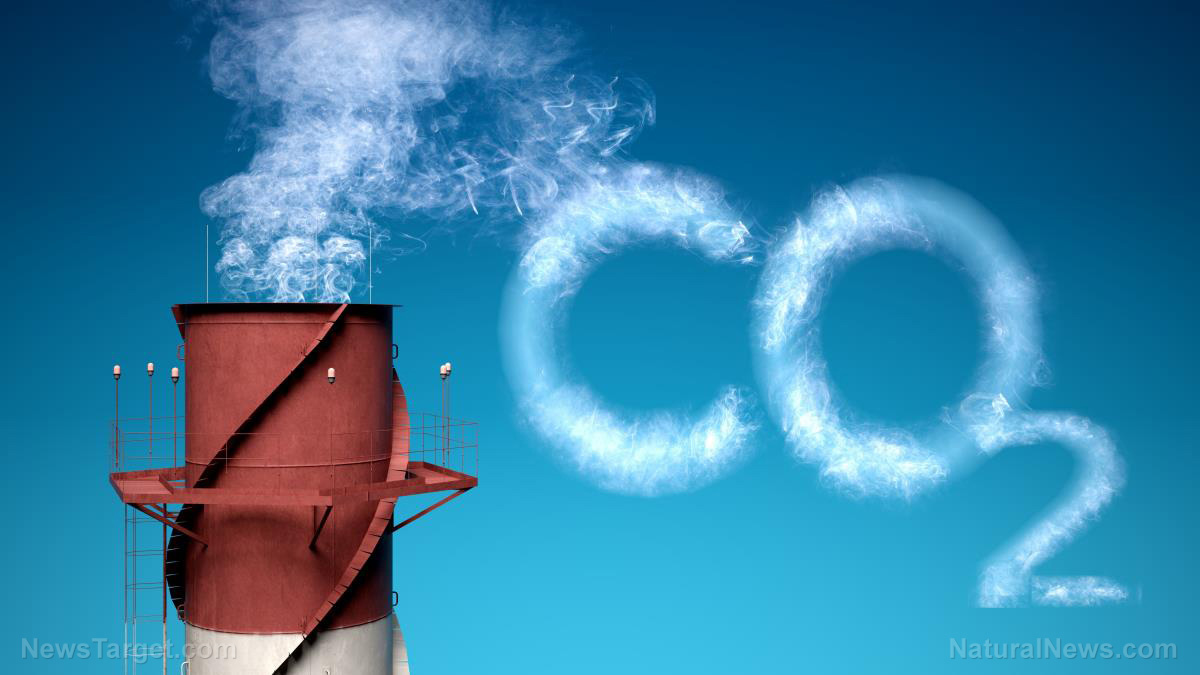
The truth about CO? further undermines climate hysteria. Carbon dioxide is essential for plant life, and Earth’s climate has always fluctuated due to solar cycles, volcanic activity and oceanic shifts—not human industry. Yet climate models ignore these natural variables, instead amplifying hypothetical doomsday scenarios to justify top-down governance.
The real threat: Centralized control, not climate
While meteorologists debate snowfall totals, a more insidious storm is brewing: the erosion of individual sovereignty in the name of “climate action.” Digital IDs, carbon taxes and food restrictions are already being rolled out under the guise of sustainability. Meanwhile, geoengineering experiments—like chemtrail aerosol spraying—proceed unchecked, poisoning ecosystems under the pretense of “cooling the planet.”
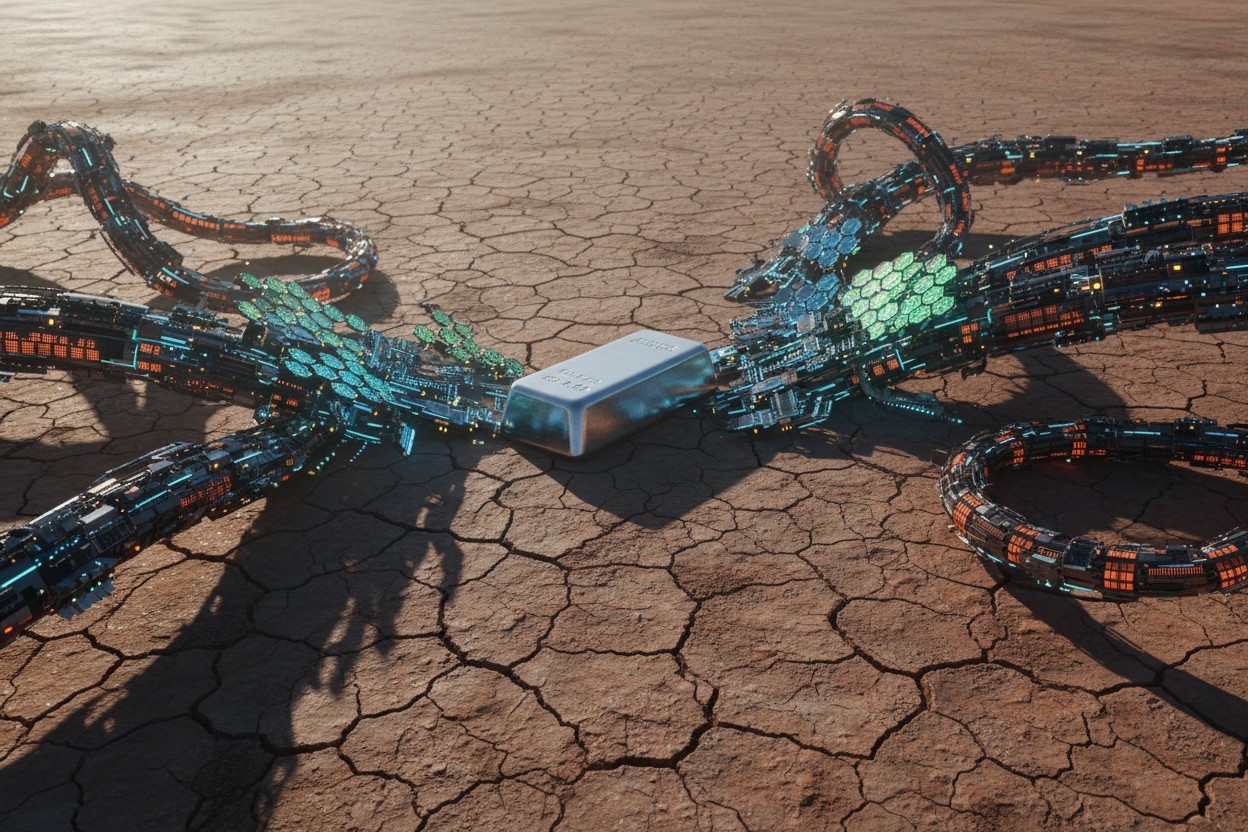
The solution isn’t blind faith in flawed models but a return to self-sufficiency. Homesteading, permaculture and decentralized energy systems empower individuals to thrive regardless of climate fearmongering. Gold and silver, not carbon credits, offer real financial security against fiat currency collapse.
Trust observations, not algorithms
The public should remember: climate models are only as good as their inputs—and those inputs are often manipulated to serve political agendas. Real science thrives on skepticism, not dogma. Until models can reliably predict the weather, they have no business dictating humanity’s future.
According to BrightU.AI‘s Enoch, climate models fail to match reality because they rely on speculative assumptions and incomplete data while ignoring natural climate variability. Their exaggerated predictions serve political agendas—not scientific truth—by pushing centralized control under the guise of environmental stewardship.
Watch the podcast below that talks about the deadly ice storm in Texas that caused power outages and canceled flights.
This video is from the Evolutionary Energy Arts channel on Brighteon.com.
Sources include:
Submit a correction >>
Tagged Under:
blizzards, climate, climate change, climate science, ecology, environment, global warming, globalists, Green New Deal, green tyranny, hurricanes, lies, political agenda, propaganda, science deception, science fraud, scientific, survival
This article may contain statements that reflect the opinion of the author
RECENT NEWS & ARTICLES